Fronts, production, and carbon export
Identifying how energetic Antarctic Circumpolar Current fronts initiate episodic biological production and move organic material below the surface.
WHOI profile ↗Physical oceanographer · Woods Hole, Massachusetts
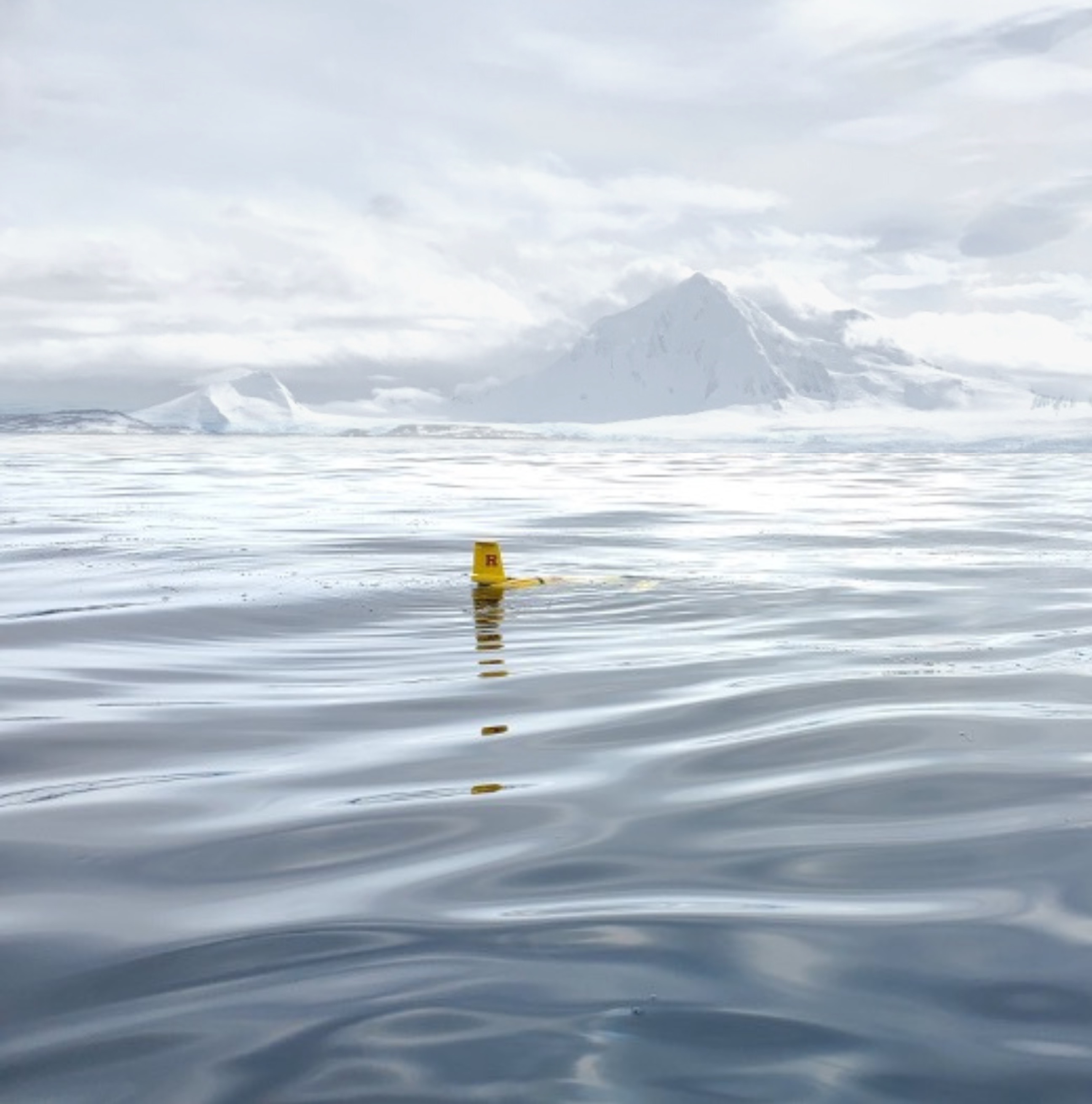
I study how moving water organizes life in the ocean—from plankton to whales and many steps in between.
Ocean circulation creates fronts, eddies, and convergent features that shape where organisms gather and where carbon moves. My work connects those physical dynamics to ecological outcomes.
I am an NSF Ocean Sciences Postdoctoral Research Fellow at Woods Hole Oceanographic Institution.
My current research examines how Antarctic Circumpolar Current fronts contribute to episodic biological production and the subduction of organic material. I combine satellite observations, in-situ measurements, and Lagrangian diagnostics to identify the physical signals that precede these events.
During my Ph.D. at Rutgers University’s Center for Ocean Observing Leadership, I investigated how coastal currents transport and concentrate plankton in Palmer Deep, Antarctica, and the Mid-Atlantic Bight. Across my research, teaching, and outreach, I aim to make ocean data and the insights it contains more useful and accessible.
My work moves between theory, observation, and field operations to understand the mechanisms that connect circulation to marine ecosystems.
Identifying how energetic Antarctic Circumpolar Current fronts initiate episodic biological production and move organic material below the surface.
WHOI profile ↗
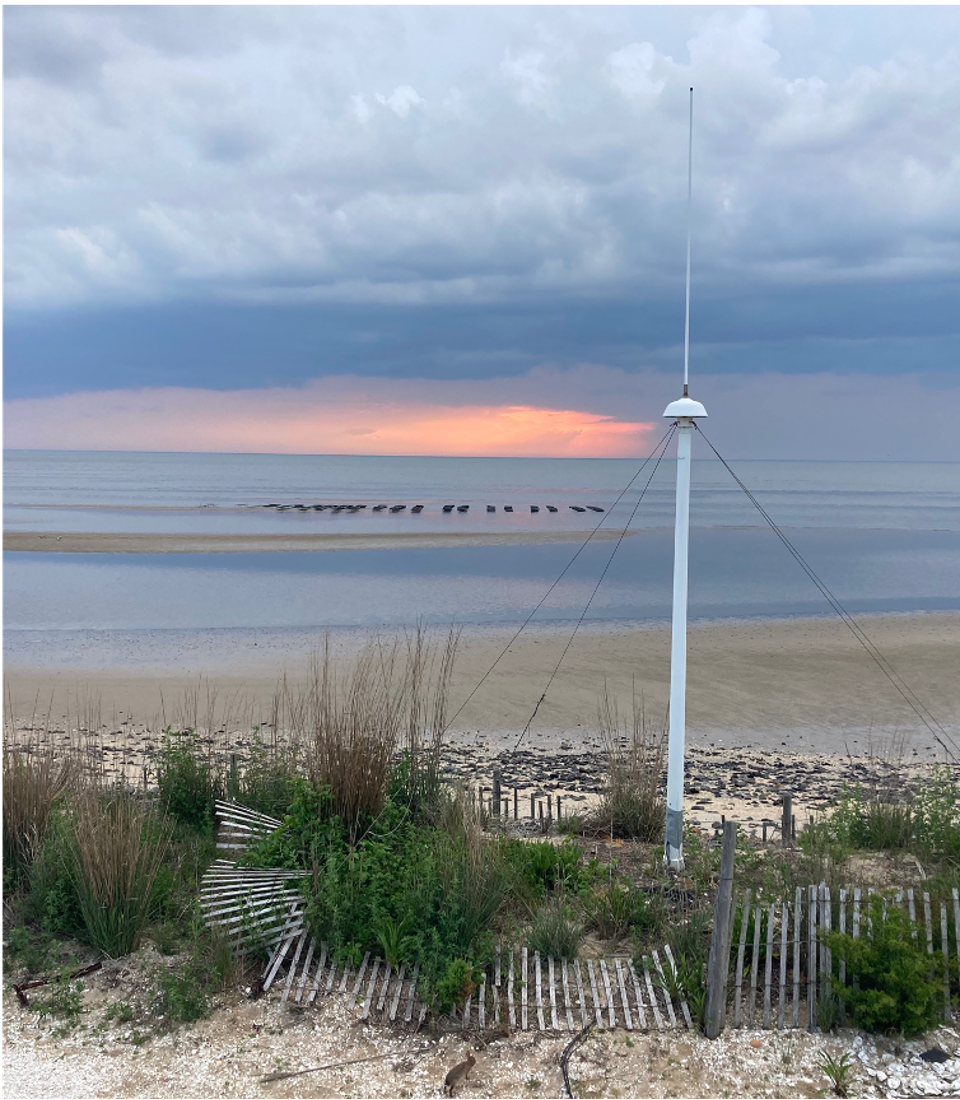
Using high-frequency radar and Lagrangian coherent structures to reveal where coastal currents gather plankton and create productive feeding locations.
Read the study ↗
Mapping attractive transport features to describe seasonal and interannual circulation changes across a dynamic continental shelf.
Read the study ↗
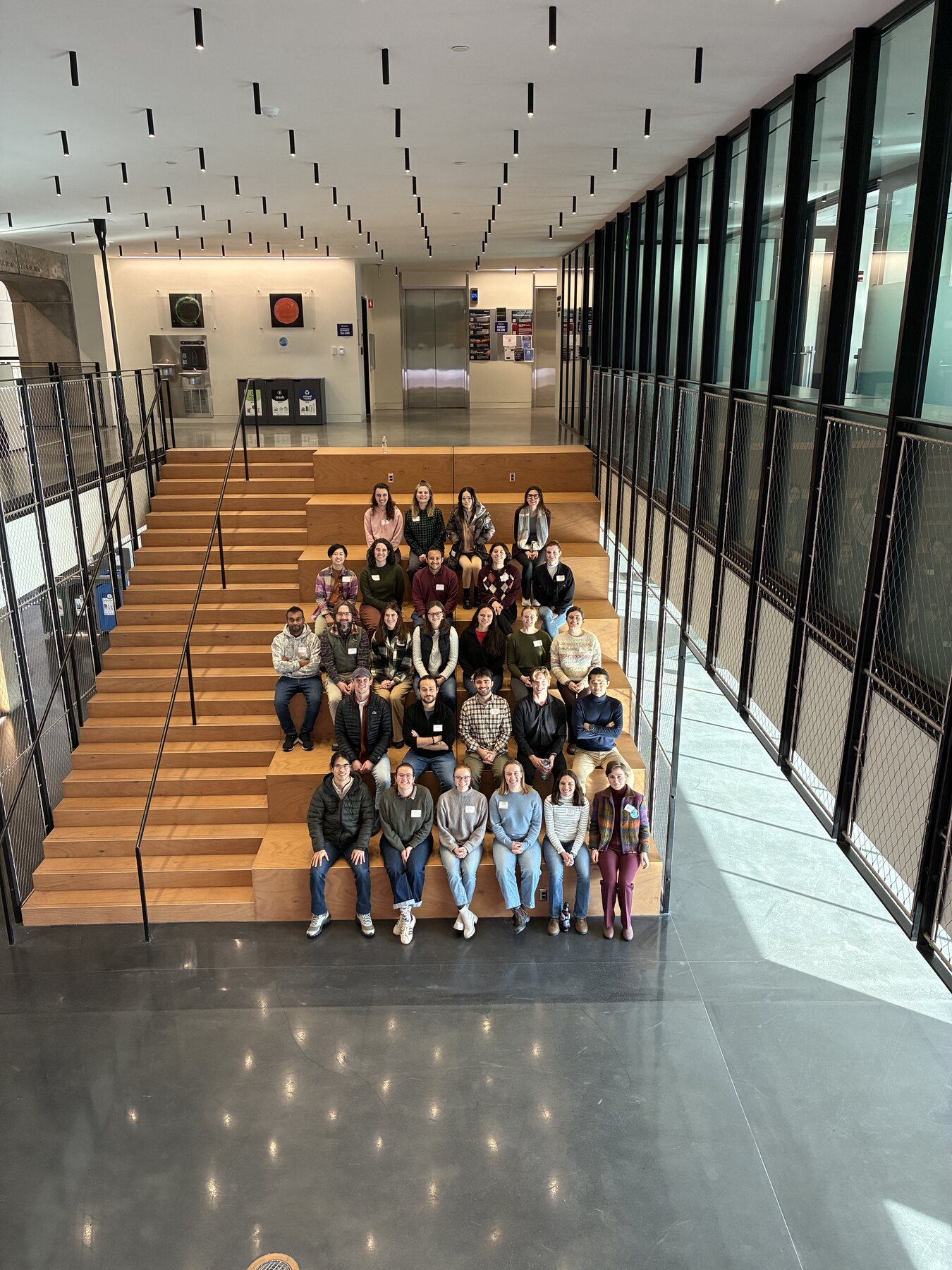
I organized PECES, a three-day collaborative workshop that combined instruction with interactive sessions to help early-career educators confidently bring programming into Earth-science classrooms.
Explore teaching resources ↓Peer-reviewed work on Lagrangian transport, ocean observing, and physical–biological interactions. Jacquelyn Veatch is shown as Veatch.
Teaching & impact
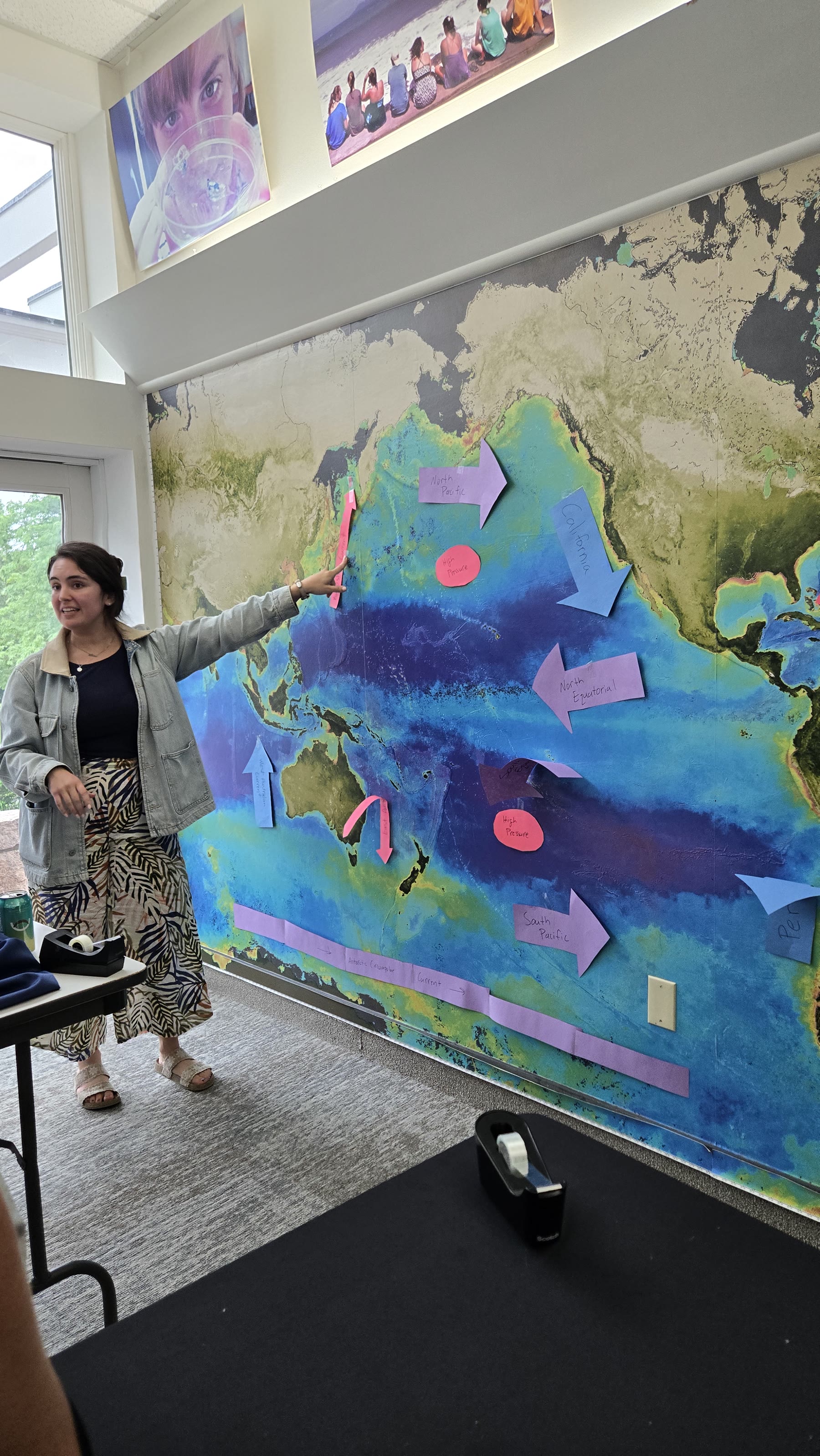
I design learning experiences around guided problem-solving, accessible programming, and independent research—from high-school Python courses to undergraduate oceanography and field projects.
I have led Python workshops for climate scientists and Earth-science educators, created interactive course infrastructure, and mentored undergraduate researchers through analysis and communication.
My service spans public talks, climate assessment review, polar research planning, professional societies, and community programs that invite more people into marine science.
Check out my thesis in three minutes. This was my entry in the Three Minute Thesis Competition while I was a graduate student at Rutgers.
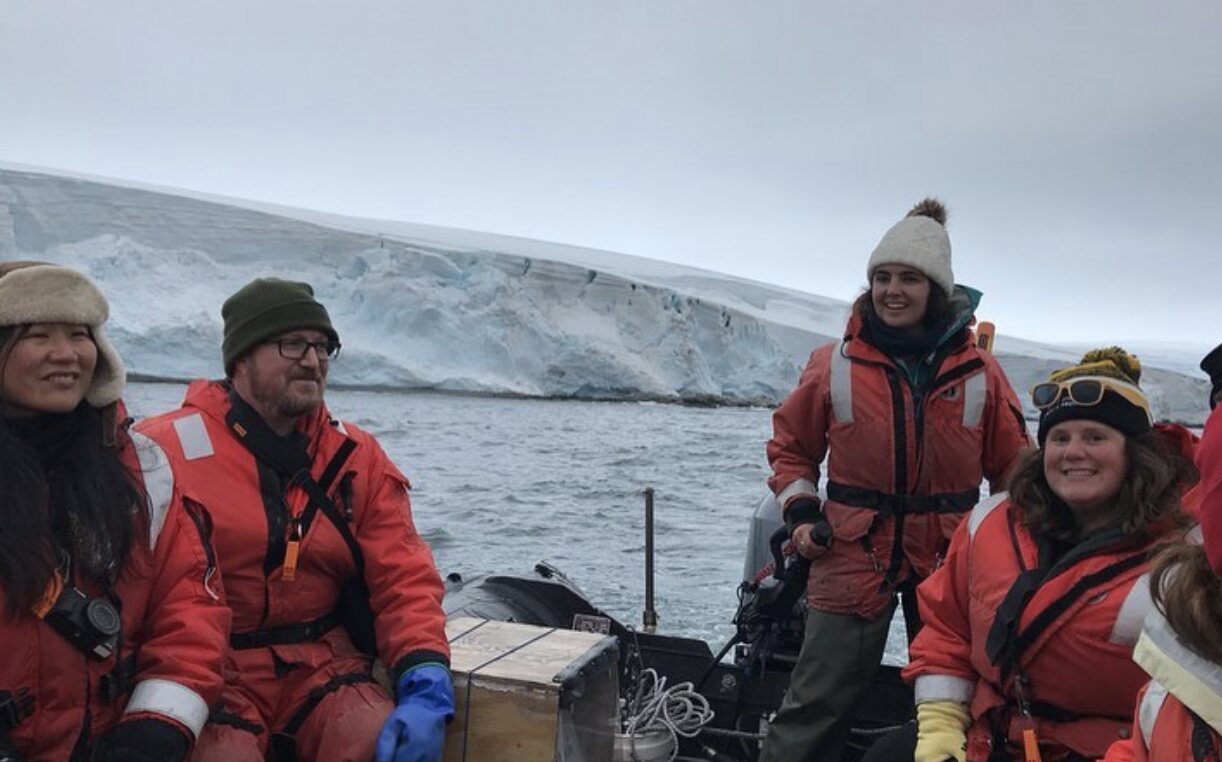
Watch the three-minute thesis ▶Ocean observing is a team effort. I have worked across polar and coastal environments with radar, gliders, ADCPs, CTDs, plankton nets, acoustics, and small-boat surveys.
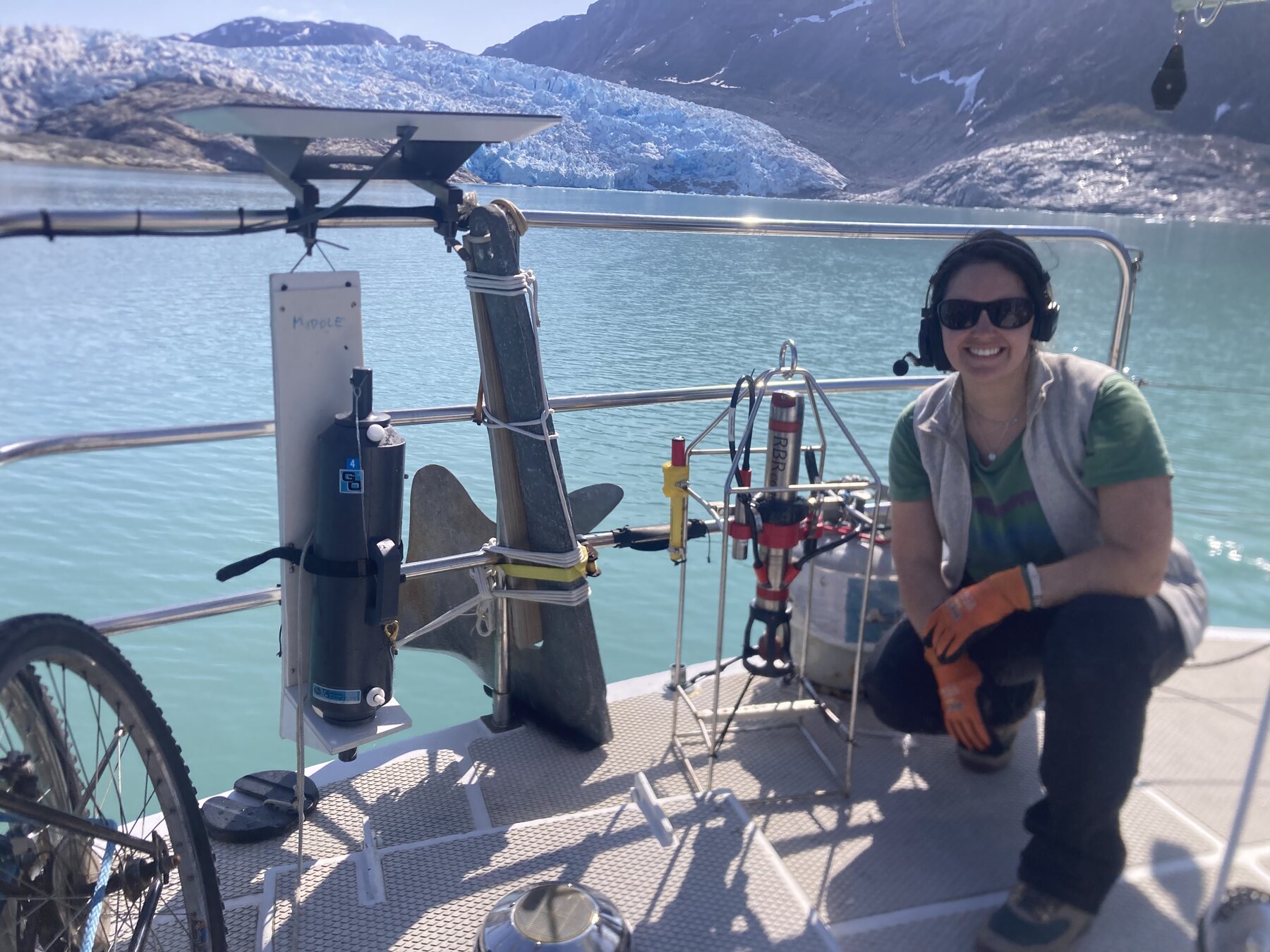
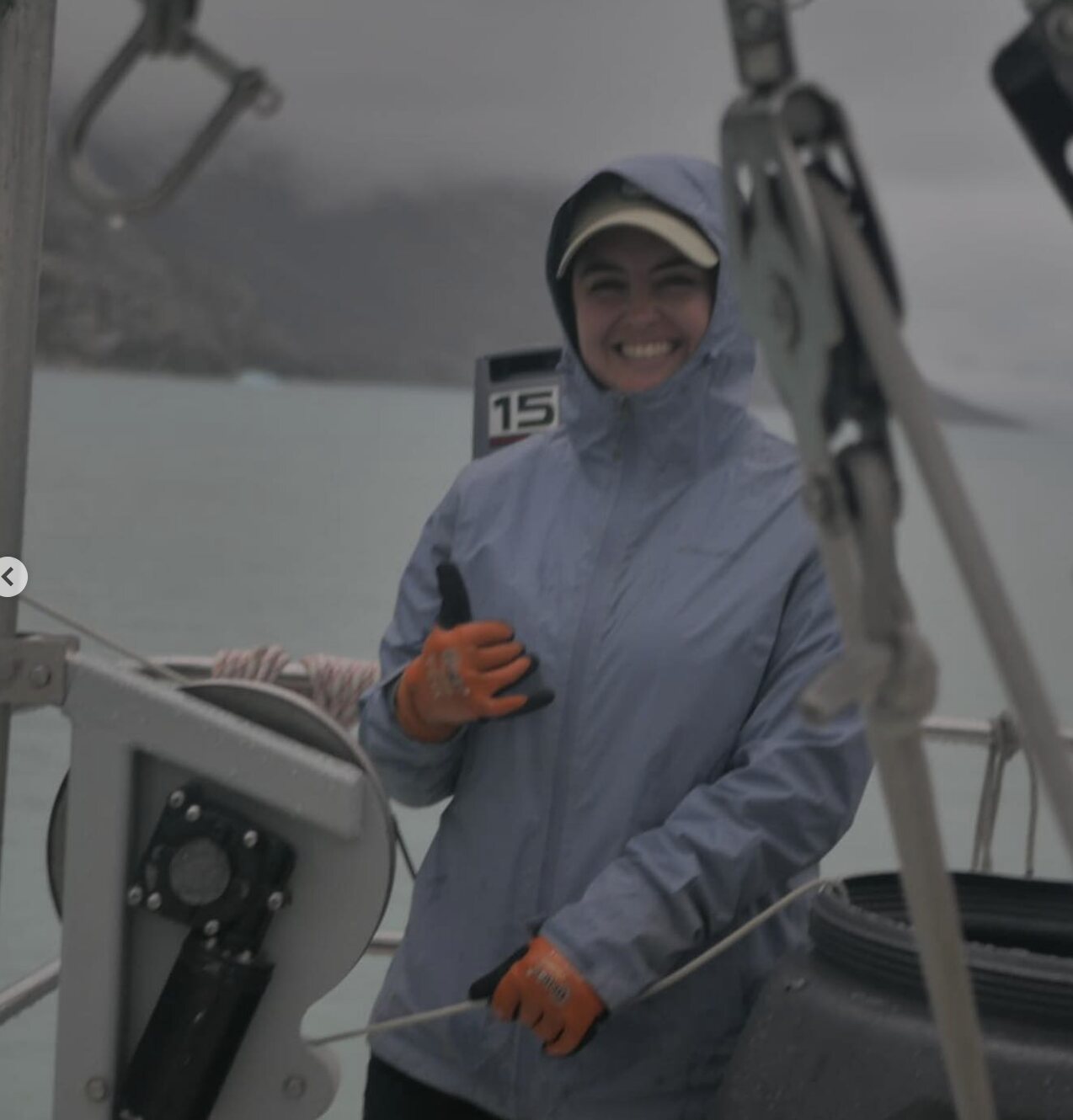
Conducted repeat ADCP transects across five southwest Greenland fjords aboard the RV Marie Tharp, resolving tidal and diurnal meltwater flow alongside gas-flux measurements.
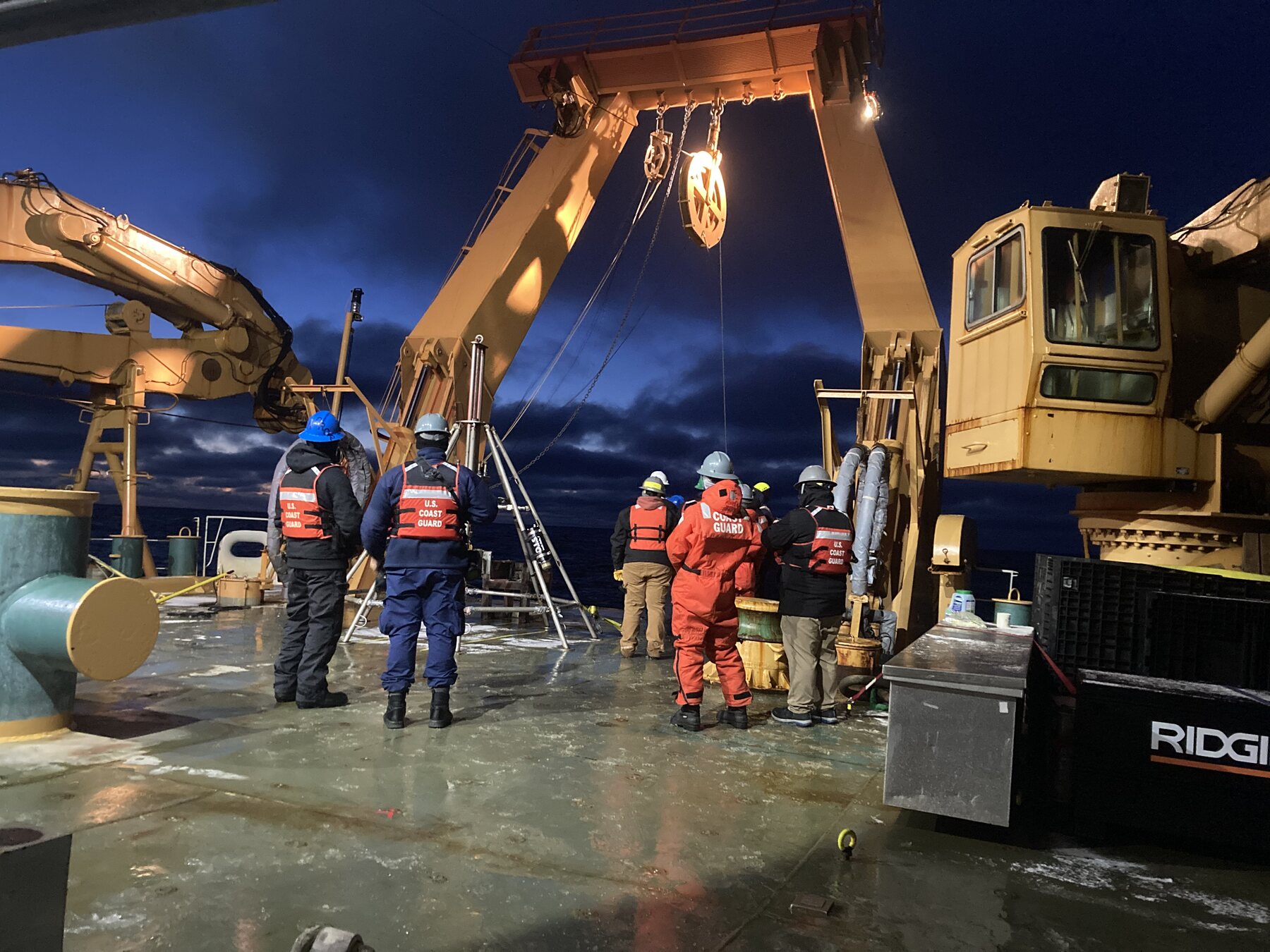
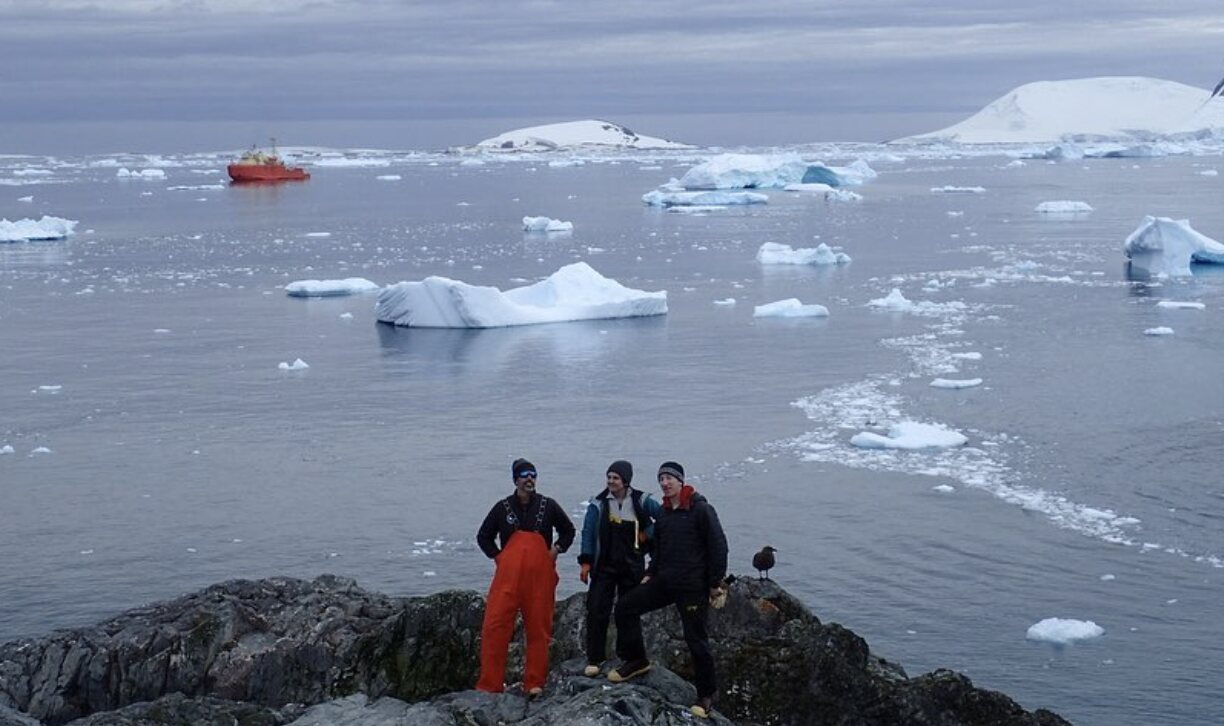
Helped plan and execute a ten-day interdisciplinary cruise aboard the USCGC Healy, coordinating sampling through a previously unmapped shelf-break canyon.
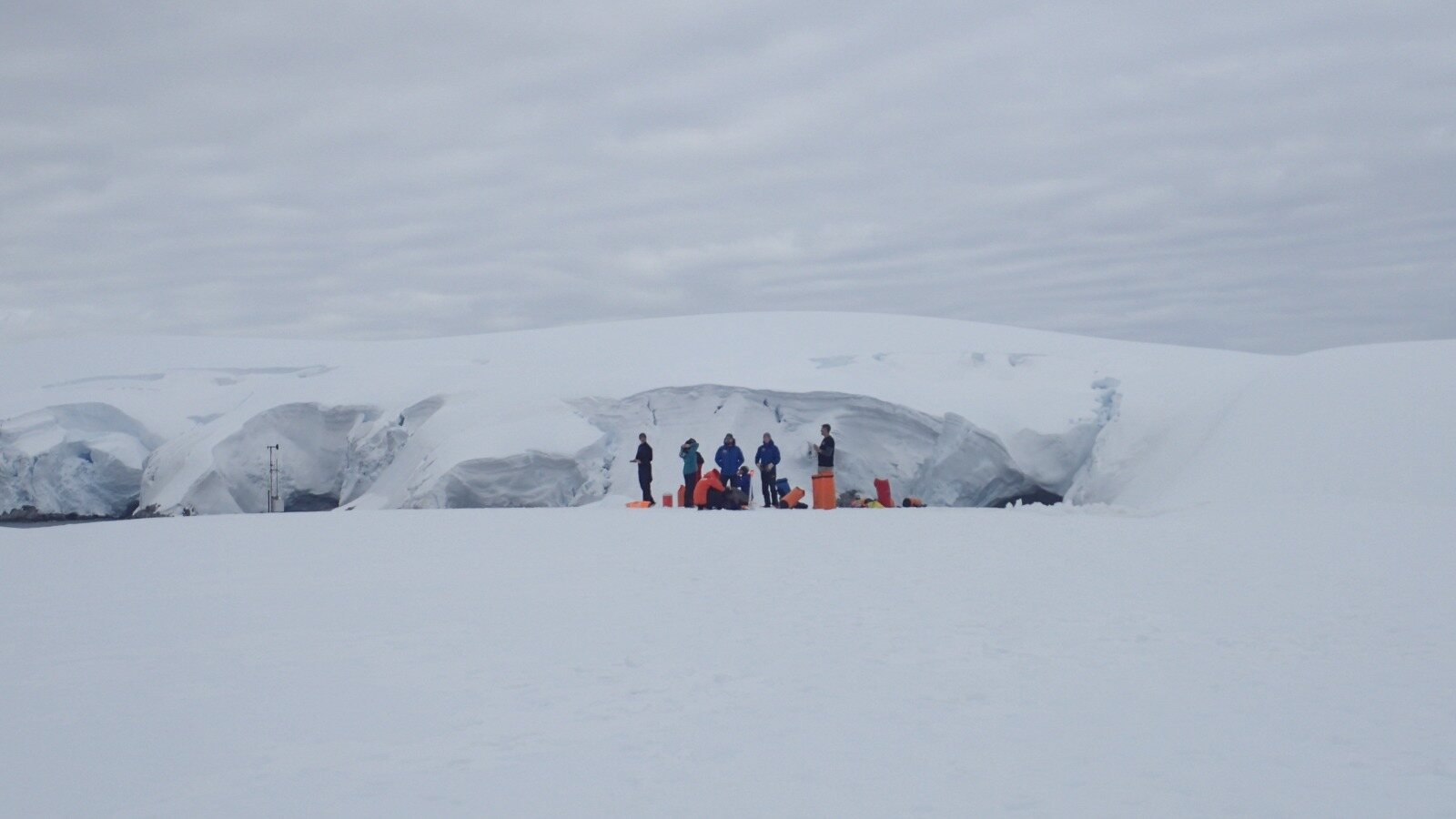
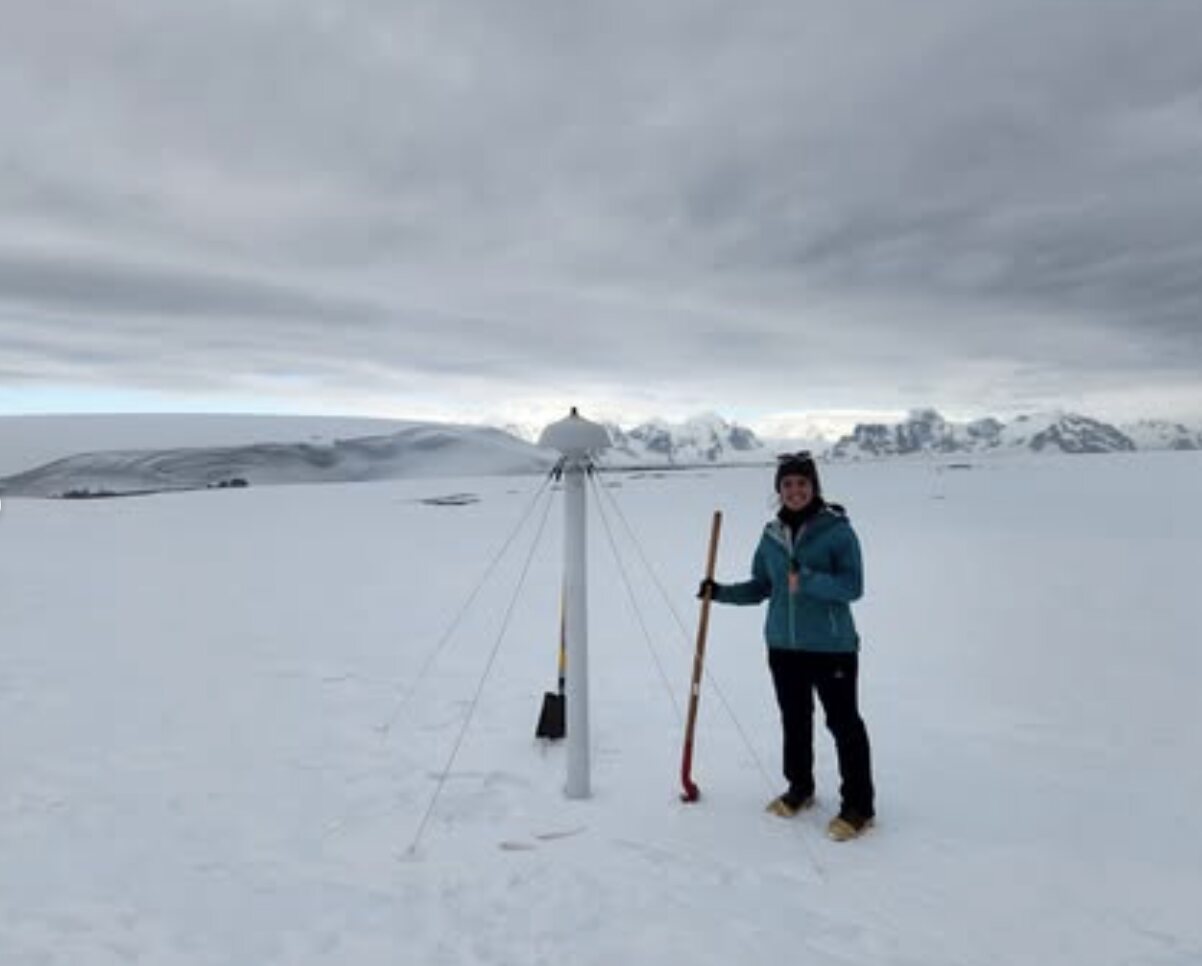
Installed and recovered high-frequency radars and remote power systems, supported glider operations, and collected complementary biological and physical observations.
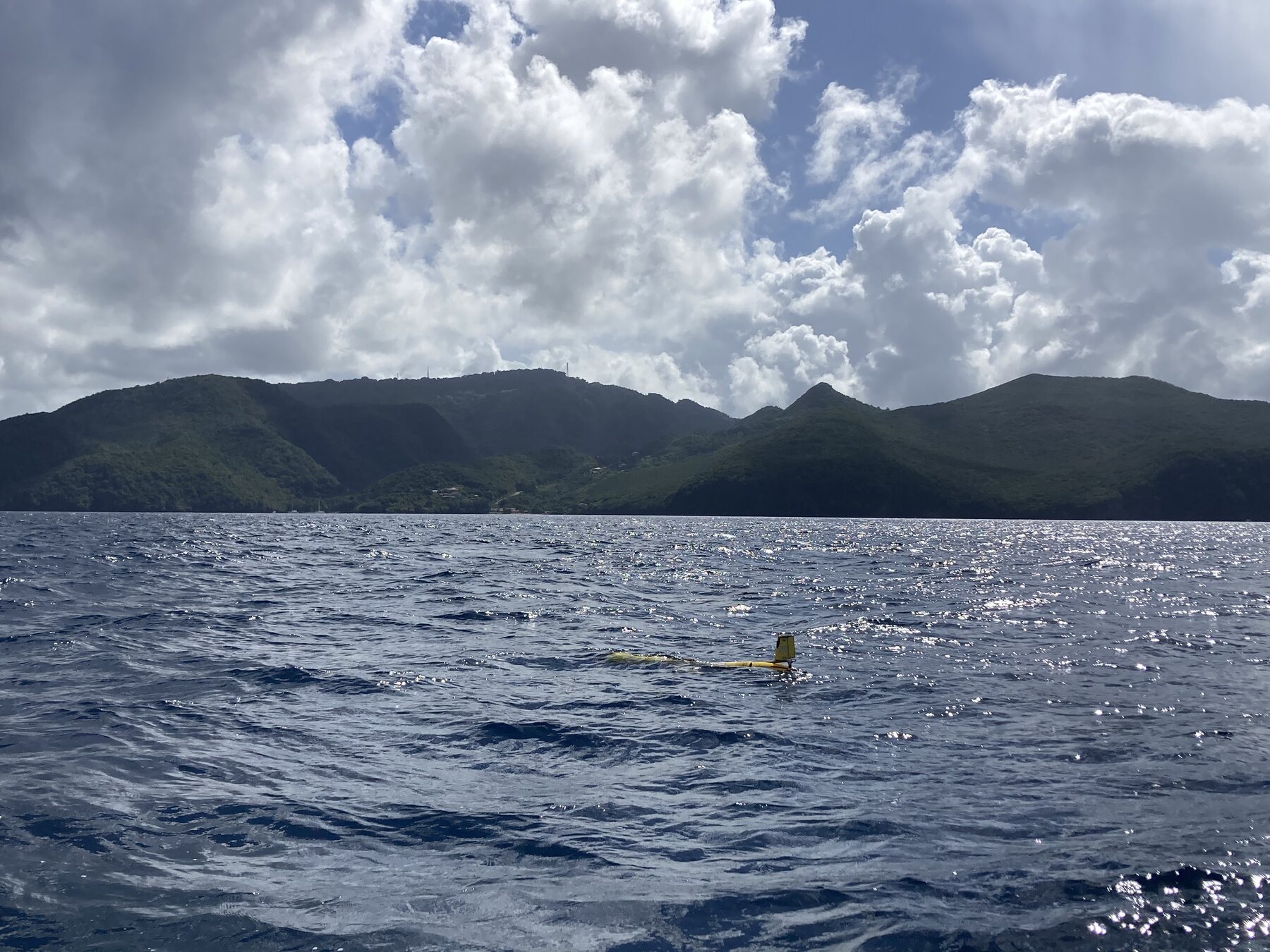
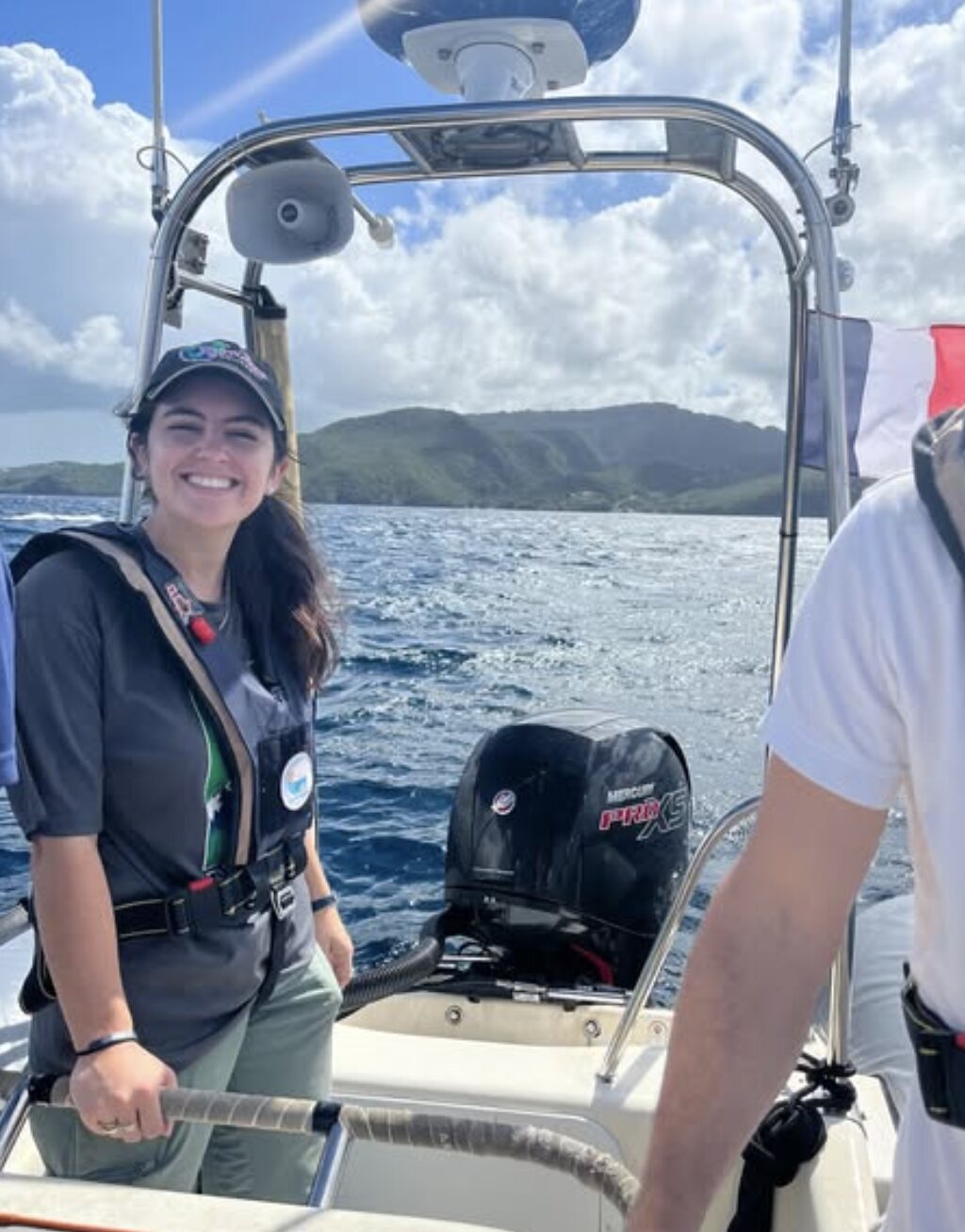
Supported glider operations in Martinique and coastal sampling in the Delaware Bay, adapting plans in real time using hydrographic observations.
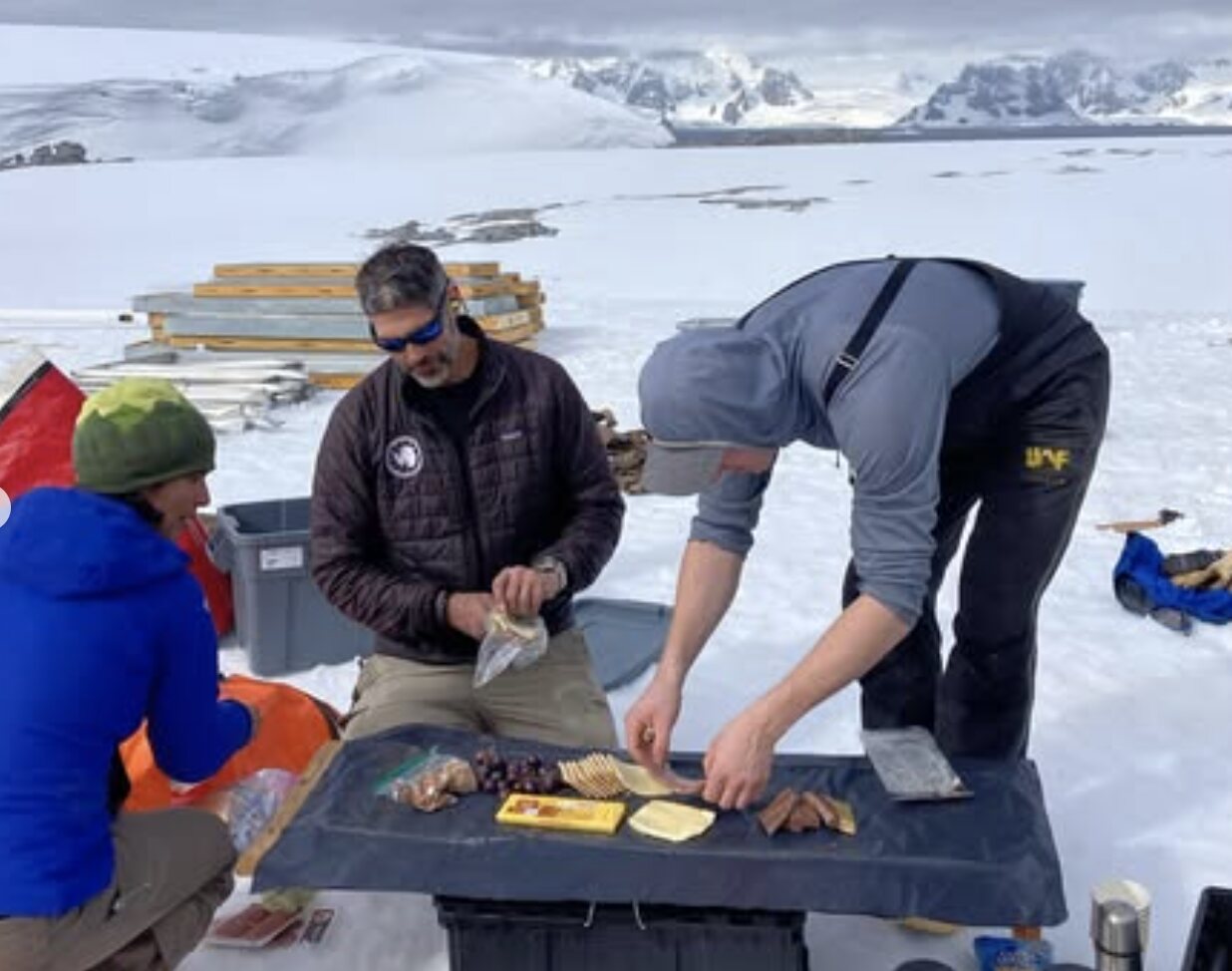
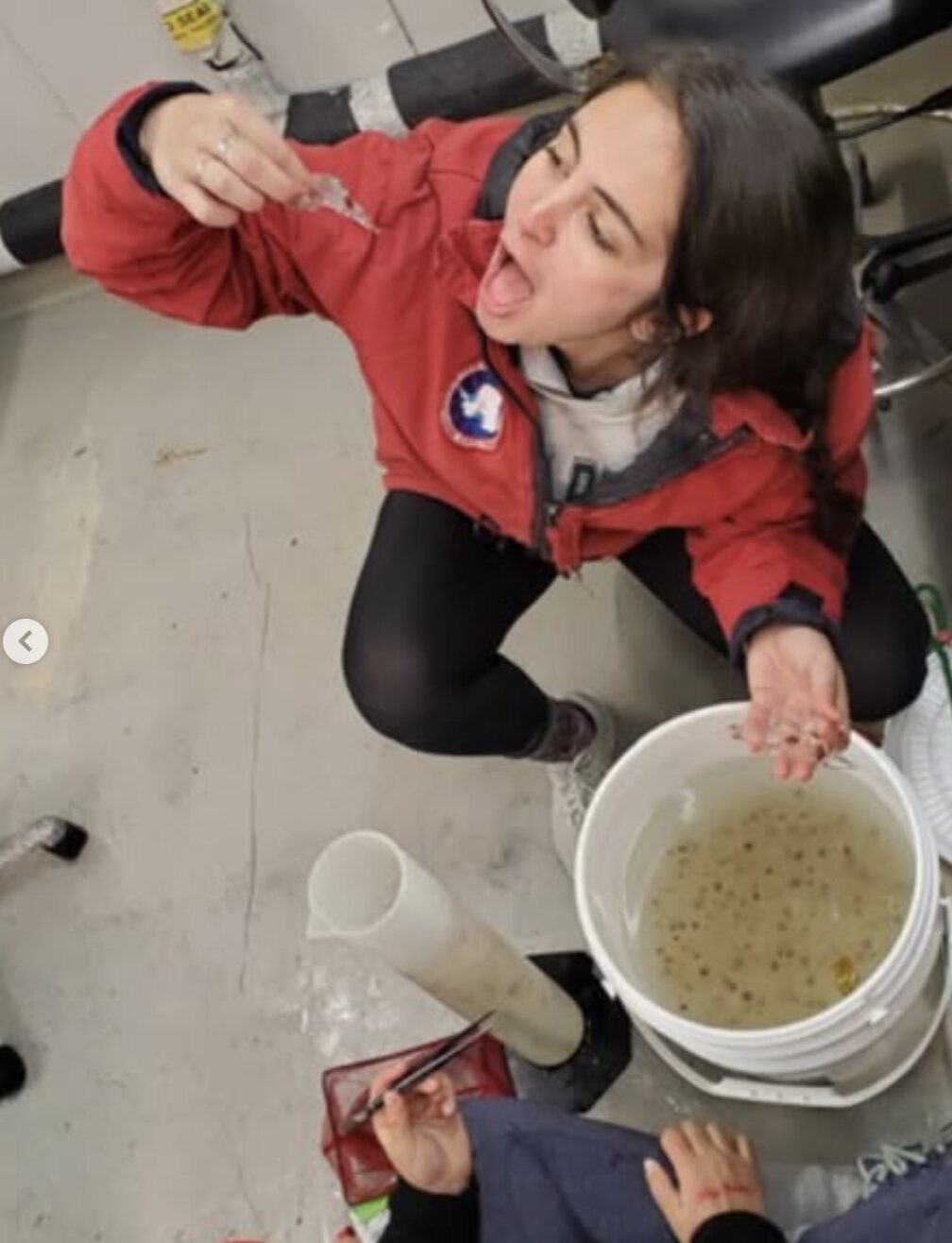
Fieldwork runs on preparation, adaptability, and people who look out for one another. It also leaves room for shared meals, goofy moments, and having fun in extraordinary places.
Connect
I welcome conversations about research collaborations, speaking, teaching, and opportunities to make ocean science more useful.